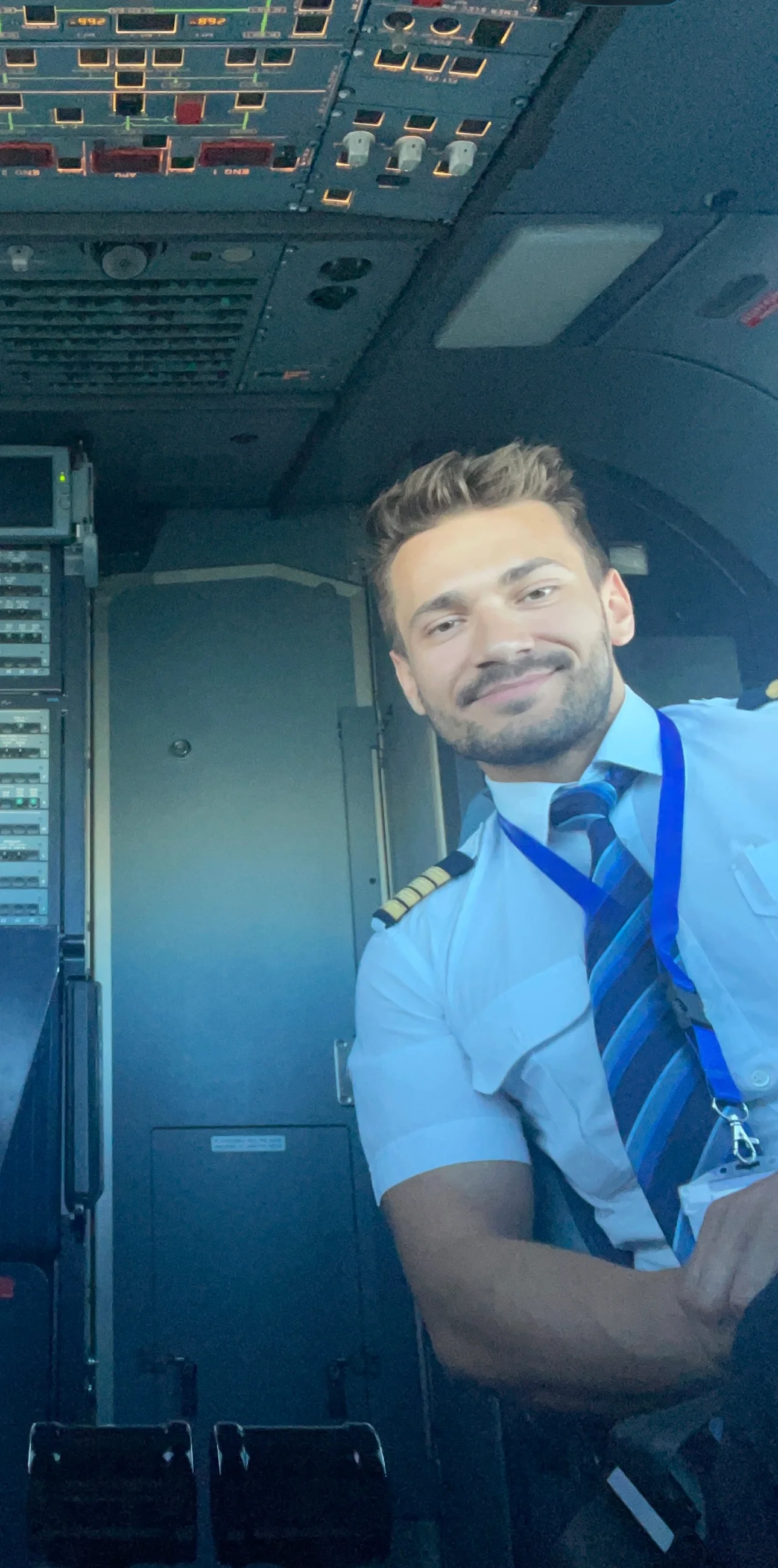
The upgrade from first officer to captain is the most misrepresented career step in aviation. Airlines cite three-year upgrades in their recruitment materials. Training organisations use fast-track captain stories in their marketing. The actual data across the EASA market tells a different story.
The range is wide
Upgrade timelines across European airlines run from around three years at the fastest end to twelve or more at airlines where growth has stalled. The honest answer when someone asks "how long does it take?" is: it depends entirely on which airline, which base, and what the growth trajectory looks like over the next decade.
A first officer joining a rapidly expanding LCC at a new base in 2026 may well be looking at a five-to-seven-year upgrade. A first officer joining a stable legacy carrier at a saturated base could be waiting twelve years or longer. Both of those outcomes are real, currently happening across the European market, and both are being sold to candidates using broadly similar language about "career development opportunities."
What actually determines your timeline
Seniority is the primary driver at most European airlines. You upgrade when there are captain vacancies at your base on your fleet, and when enough people above you on the seniority list have already been offered those positions. This means the timeline is largely outside your control once you have joined.
The variables that matter most are the ones you can influence before you join. Carrier growth rate is the most important. A carrier adding 20 aircraft a year creates captain vacancies faster than one running a stable fleet. Look at the actual delivery schedule, not the press release. Orders placed today turn into aircraft and upgrade positions in three to five years. That is the relevant window if you are joining now.
Base choice matters almost as much. New or growing bases typically have faster upgrade timelines than established ones. If an airline is opening a base in a new city, the seniority list at that base starts from zero. Early joiners at new bases often upgrade faster than pilots who have been at the airline longer but are stuck behind a deep seniority list at an established base.
Fleet composition is the variable candidates check last and should check earlier. Upgrade timelines vary between fleets at the same airline. A fleet being phased out or downsized will have fewer captain vacancies; a fleet being expanded will have more. Know which fleet you are joining and what the airline's stated plans for it are over the next five years.
Attrition is the variable most candidates never think to ask about. Captains leaving for retirements, moves to other carriers, or voluntary reductions create vacancies that pull FOs upward. High captain attrition at a base accelerates upgrades. At carriers where a large cohort of captains is approaching mandatory retirement age, this effect can be substantial.
The question to ask at interview: "How many first officers were upgraded to captain at this base last year?" A real number tells you more than any promise about career progression. If they can't give you a number, draw your own conclusions.
The three-year upgrade story
Three-year upgrades are real, not a fiction. They occur under specific conditions: rapid fleet expansion, new base openings, or unusual attrition events. They tend to get recycled in airline marketing long after the conditions that produced them no longer exist.
Ryanair produced fast upgrades during certain expansion phases. So did Wizz Air and others. Some of those timelines were real. They were also tied to specific periods of aggressive growth that cannot be assumed to continue indefinitely. A pilot who joined in 2019 expecting a Ryanair-paced upgrade and ended up on the wrong side of COVID got a very different outcome.
Fast upgrades are possible, but they are contingent, not guaranteed. Anyone making a career decision based on a recruiter's reference to a three-year upgrade, without asking what is actually driving that number, is working from incomplete information.
Moving carriers to accelerate upgrade
Some FOs move to smaller airlines or newer carriers specifically to accelerate their upgrade timeline. This works in some cases and does not in others. The trade-off is real: you may upgrade faster, but at a lower captain salary, on a smaller aircraft, or with less stability than staying put at your current airline would have given you.
The calculation depends on what you want from the left seat. If command experience and the four stripes matter to you as early as possible, whether for career positioning or personal motivation, then taking a shorter route to captain at a smaller operator can make sense. If you are at a carrier where the upgrade will come eventually and the pay, conditions, and base are good, waiting is often the better financial decision.
What rarely makes sense is moving carriers repeatedly in search of a faster upgrade without a clear view of where each move leads. Every airline move resets your seniority to zero. Do it with intention, not out of impatience.
What the left seat actually changes
The salary jump at upgrade is real. European LCC captain salaries typically run from €80,000 to €130,000 gross depending on the carrier, compared to FO salaries in the €40,000 to €70,000 range. The gap closes significantly after the first few years as FO salaries step up, but the command salary is still higher, and the allowances often are too.
Salary aside, command changes the nature of the job. As captain you are responsible for the aircraft, the crew, and every decision made on that flight. The workload in the left seat is different from the right: more regulatory accountability, more exposure when things do not go to plan, and more of the administrative load that sits outside the cockpit. Most pilots find this transition rewarding. Some find it more stressful than anticipated. It is worth thinking honestly about which category you fall into before you optimise your entire career around getting there as fast as possible.
Planning around reality
If you are choosing your first airline, find out the actual upgrade history at the specific base you are joining. Not the airline average. The base. Ask how many upgrades happened last year. Ask what the fleet plan looks like. Ask whether the base is growing, stable, or uncertain.
If you are already flying as an FO, assess the situation honestly. How deep is the seniority list above you? Is the airline growing or not? Are captains leaving? The answers to those questions will tell you more about your realistic timeline than anything in the employee handbook.
The left seat comes. For most European pilots, it comes between five and ten years after their first airline line check. Where you fall in that range is mostly within your control, but only if you ask the right questions before you join, not after.